Is OpenAI's New Hardware Keypad the Future of Productivity?
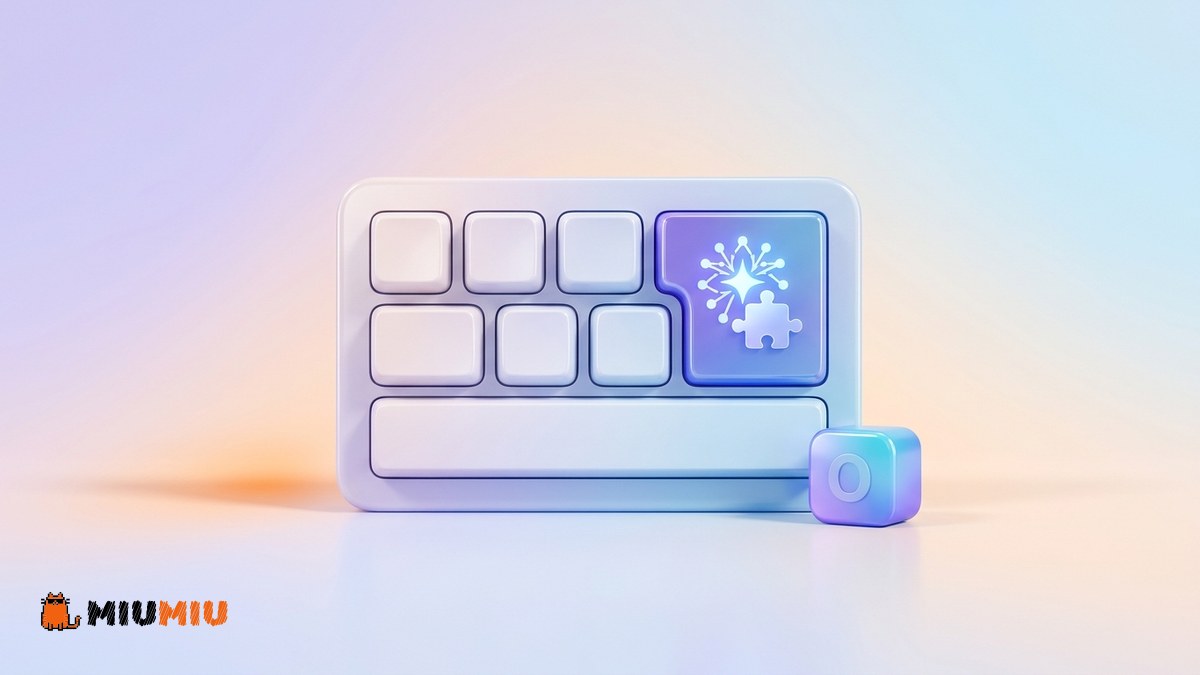
OpenAI has recently ventured into the physical world with a dedicated AI keypad designed to streamline developer workflows. As reported by TechCrunch, this specialized input device allows users to trigger complex AI prompts, execute code, and automate repetitive coding tasks with the press of a physical button. While the gadget offers immense customization for developers who thrive on macro shortcuts, it remains a head-scratcher for everyday consumers who prefer typing simple prompts in a standard web interface.
For programmers and tech enthusiasts, the keypad is a playground. It bridges the gap between software-based artificial intelligence and physical desk setups, turning prompt engineering into a tactile experience. Instead of copying and pasting code blocks or constantly retyping instructions, coders can program specific keys to generate, debug, or explain code. However, for those outside the development space, buying a dedicated physical accessory just to communicate with an AI feels unnecessary and overly complex.
Why should Iranian creators and digital businesses care? Importing niche tech gadgets into Iran is often expensive and highly impractical due to customs and current economic constraints. However, the underlying concept is highly valuable. Iranian social media managers, copywriters, and developers can replicate this workflow locally. By utilizing affordable, programmable macro pads or custom hotkeys, Iranian teams can create their own physical shortcuts to trigger ChatGPT actions. Whether it is automatically drafting Instagram captions, translating social media posts, or organizing client data, hardware-integrated AI workflows can significantly boost daily productivity without requiring expensive imports.
Sources & references
Sara Tehrani
Author