The Battle for AI Hardware Dominance Heats Up
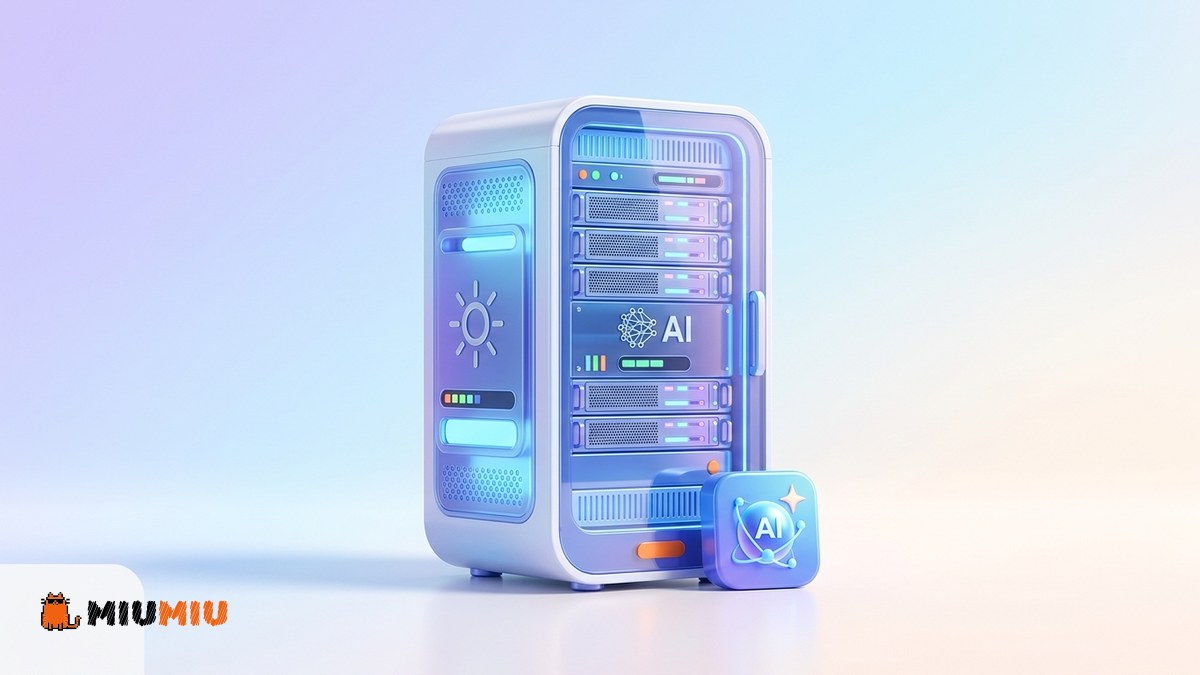
Semiconductor giant AMD is stepping up its competition against Nvidia by introducing a new integrated server rack system designed specifically for heavy artificial intelligence workloads. Named Helios, this upcoming rack-scale solution is scheduled to begin shipping to enterprise clients in the latter half of this year, as reported by TechCrunch. By bundling its high-performance Instinct graphics processors, central processing units, and advanced networking fabric into a unified rack, AMD aims to provide a ready-to-use alternative to Nvidia’s dominant AI server setups.
For several years, Nvidia has held a near-monopoly on the infrastructure powering modern machine learning. AMD's Helios represents a direct challenge to this market share. By offering pre-configured, highly efficient racks, AMD hopes to lower the barrier to entry for data centers and cloud providers looking to scale their AI capacities quickly without relying solely on Nvidia's constrained supply chains.
Why It Matters for Iranian Digital Businesses and Creators
While strict international trade restrictions and sanctions prevent businesses in Iran from directly purchasing or importing top-tier hardware like the Helios system, the ripple effects of this industry rivalry are highly beneficial. Currently, many Iranian social media managers, content creators, and digital storefronts rely on cloud-hosted AI tools for automated graphic design, copywriting, video editing, and customer service translation. These services are powered by global data centers.
When AMD introduces viable competition to Nvidia, it drives down the operational costs of AI computing globally. This market shift will likely lead to cheaper subscription rates for cloud-based AI tools, making advanced technology much more accessible to Iranian startups and freelance creators working with tight budgets. Increased hardware availability also means faster development cycles for the open-source models that many local Iranian developers host and adapt for Persian-language applications.
Sources & references
Sara Tehrani
Author