How Meta’s Data Center Backing Influences the Global Creator Economy
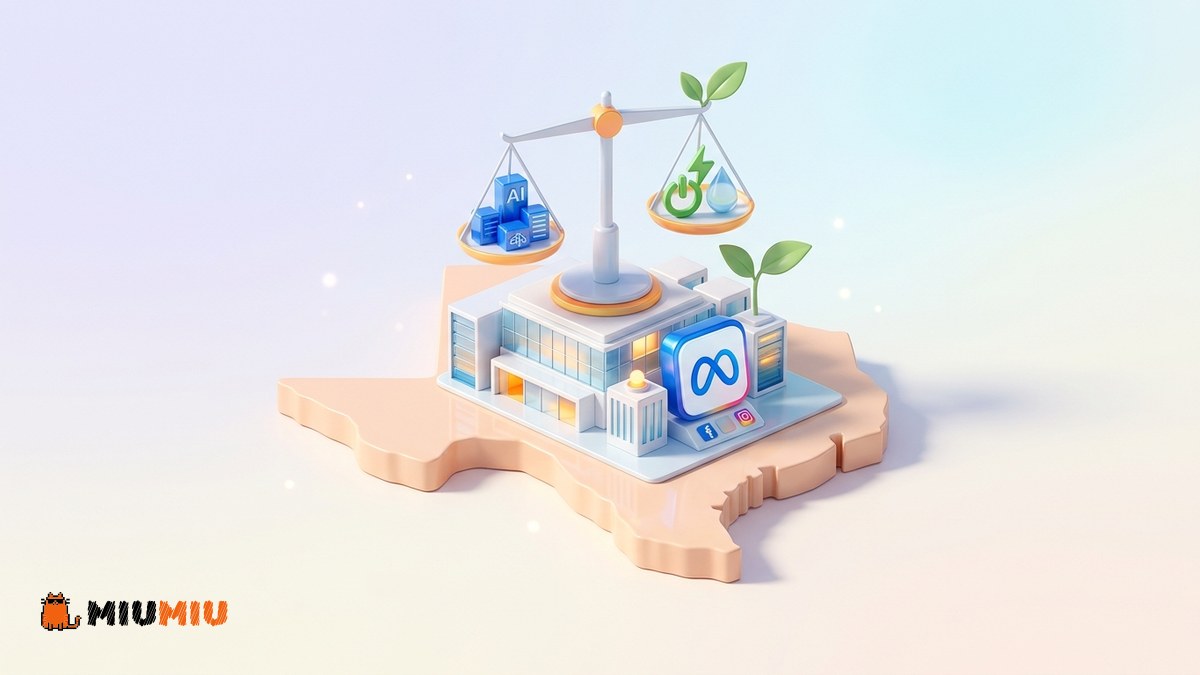
As part of its ambitious long-term expansion, Meta plans to allocate more than $600 billion toward building data centers across the United States over the coming three years. However, this massive infrastructure push has met with community concerns regarding energy consumption and local resource usage. To ease these tensions, Meta recently announced its backing of Texas Governor Greg Abbott’s new data center guidelines, as reported by Social Media Today. The Texas framework requires thorough utility reviews and demands that developers cover the full costs of the water and electricity they consume before building.
This development is highly relevant because many communities across the US have begun pushing back against large-scale tech facilities, sometimes enacting outright bans. By proactively agreeing to local rules, Meta hopes to establish a sustainable model for future projects. Meta maintains that it already pays for its utility consumption in full and contributes to local grids, mitigating local resistance while securing the massive power supply required for its modern artificial intelligence models.
For Iranian creators, digital marketers, and online businesses operating on platforms like Instagram and Threads, these physical infrastructure developments have direct consequences. High-speed AI features, content recommendation algorithms, and video rendering tools rely heavily on the stability and speed of Meta’s data hubs. Securing energy and data infrastructure can reduce long-term capacity risks, but Meta has not announced any immediate change to platform speed, availability, or creator tools. As social media marketing continues to rely on advanced AI-driven recommendations, knowing that the physical backbone of these platforms is actively expanding helps creators plan long-term strategies on stable platforms.
What this announcement means
Meta’s support does not approve a specific project or create an immediate increase in capacity. The Texas framework focuses on ongoing reviews and on developers paying the full cost of electricity, water, and grid infrastructure. Any benefit to creators or businesses is therefore indirect and long term; the announcement should not be read as a promise of faster or more reliable services.
Sources & references
Sara Tehrani
Author