
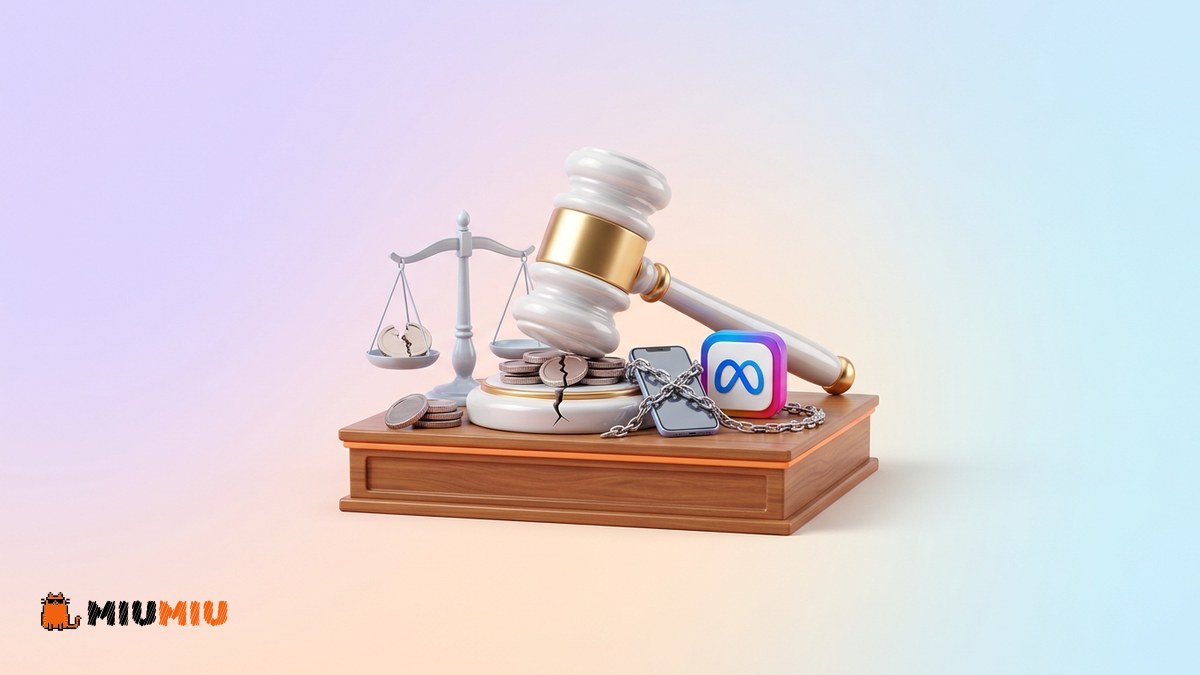
A Historic Legal Threat to Meta's Business Model
The tech giant Meta has entered a highly critical legal arena in California. A coalition of 29 state attorneys general in the United States is prosecuting the social media giant, alleging that it intentionally engineered features on Instagram and Facebook to induce addiction in younger users. According to a detailed report by Social Media Today, the coalition claims the company was fully aware of the mental and physical health risks these design choices posed to teenagers but chose to prioritize advertising profits over user safety.
The financial stakes of this legal confrontation are unprecedented. Should Meta lose the case, the accumulated liabilities and penalties could theoretically surpass 1 trillion dollars. With Meta’s total market capitalization hovering around 1.5 trillion dollars, such a massive penalty represents an existential threat to the company's future. The legal arguments build heavily on internal documents leaked in 2021 by whistleblower Frances Haugen, which exposed that Meta's own internal research acknowledged the negative psychological impacts of its platforms on vulnerable demographics.
In response, Meta is mounting a vigorous defense. The company argues that social media addiction is not an officially recognized clinical condition under the standard diagnostic manuals. However, a recent legal setback in California where Meta and YouTube were held responsible for user harm has already set a problematic precedent, opening the floodgates for thousands of similar individual lawsuits.
Why this Matters for Iranian Businesses and Creators
For Iranian businesses, social media marketers, and content creators, Instagram is not just another network; it is the primary engine of local digital commerce. Because domestic alternatives are often less popular or have limited reach, thousands of independent online shops and brands rely entirely on Instagram's algorithmic feed to discover new customers and drive organic sales.
If Meta is forced to reform its core systems as a result of this lawsuit, the global landscape of social media marketing will shift dramatically. To appease regulators, Meta might be compelled to roll out global features that allow users to opt out of personalized algorithms entirely, reverting to chronological feeds. We have already seen similar adjustments in the European Union. If a significant portion of users choose to disable the algorithm, the organic reach that businesses rely on could drop severely. Iranian creators who depend on their content going viral through the recommendation engine would have to restructure their entire content strategy. Knowing these potential shifts allows Iranian digital storeowners to begin diversifying their marketing channels and building direct relationships with their customers outside of a single platform.
Sources & references
Sara Tehrani
Author