The Influx of AI on Social Networks: Is Authenticity at Risk?
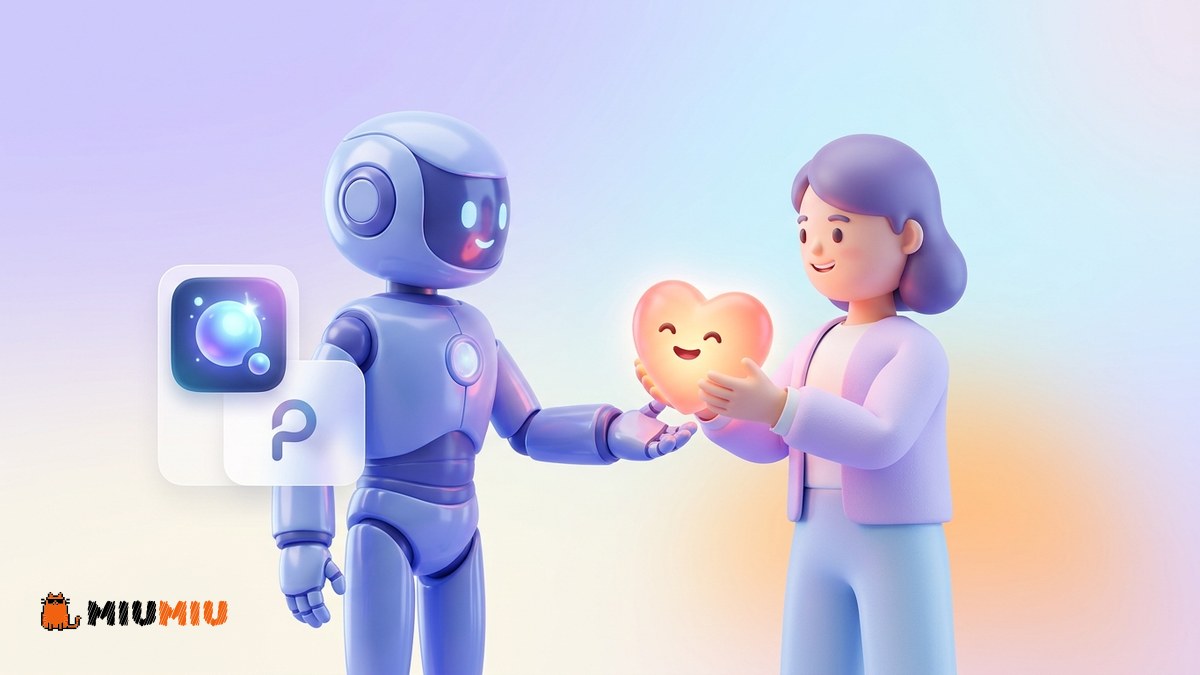
The rapid evolution of generative artificial intelligence has blurred the lines between human and automated interactions online. According to an industry analysis by Social Media Today, which highlights a report by the technology firm Pangram, an estimated 41% of long-form posts on LinkedIn now show indicators of being AI-generated. Similarly, about one-third of long-form updates on X (formerly Twitter) appear to be written by AI tools. This massive surge of artificial content poses a significant threat to user trust and the foundational purpose of social networks.
Social media platforms are taking vastly different approaches to manage this challenge. Pinterest has introduced a dedicated filter to limit the prevalence of AI-generated content, while LinkedIn has implemented reach penalties to reduce the visibility of suspected AI spam. Conversely, tech giants like Meta continue to heavily push generative features, prompting users to create AI-assisted images and captions despite widespread negative feedback from their communities. This ongoing battle risks transforming social spaces from hubs of genuine human connection into purely algorithmic entertainment feeds.
What This Means for Iranian Creators and Businesses
For digital marketers, influencers, and online brands in Iran, the AI flood presents both a warning and an opportunity. First, as major global platforms continuously update their algorithms to detect and penalize artificial writing, relying blindly on automated translation or raw ChatGPT outputs in Persian can severely damage organic reach. Creators must avoid utilizing unaltered AI-generated text if they want to escape algorithm penalties.
Second, in an online environment increasingly saturated with generic, robotic text, Iranian audiences are craving authentic, localized, and human-centric experiences. Iranian businesses should prioritize genuine storytelling, behind-the-scenes footage, and cultural nuance. By emphasizing real human experiences and building direct relationships, local creators can successfully stand out in a digital space filled with artificial noise.
Sources & references
Sara Tehrani
Author