OpenAI Hits the Brakes on 2026 Public Listing Plans
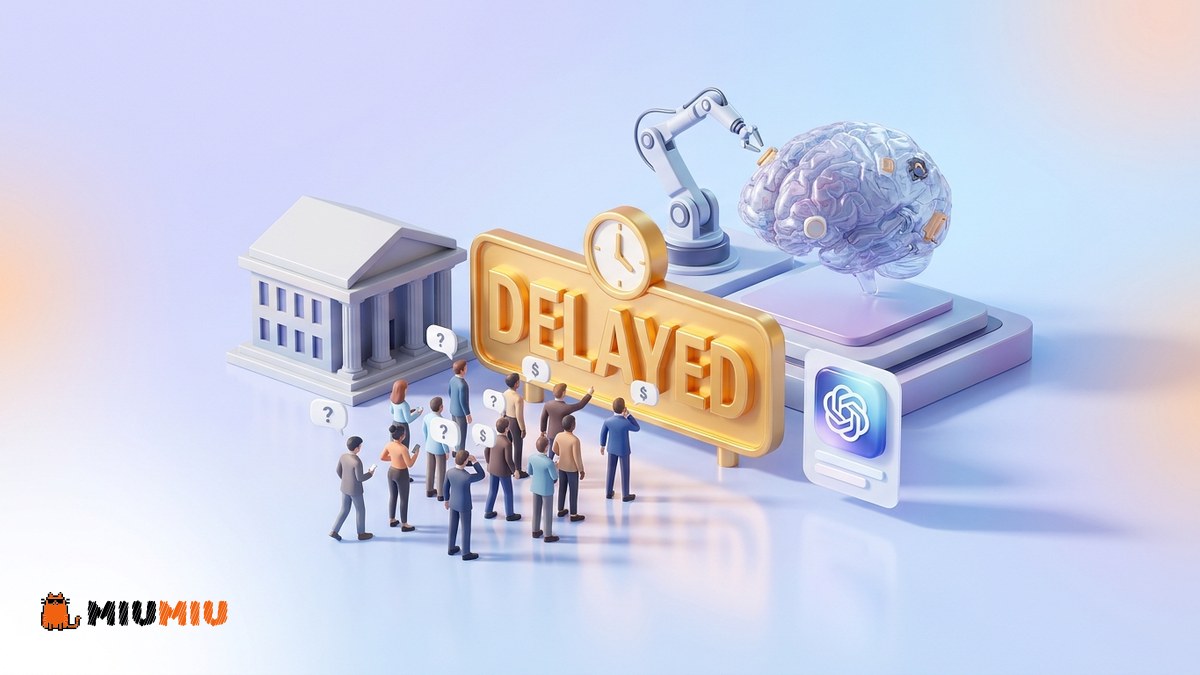
Artificial intelligence pioneer OpenAI has quieted Wall Street expectations by signaling that a stock market debut will not happen anytime soon. According to OpenAI CEO Sam Altman, taking the company public in 2026 would be "ill-advised," despite the organization recently taking the initial step of filing confidentially for an initial public offering (IPO).
As reported by TechCrunch, Altman believes that rushing into the public markets at this juncture could distract the company from its core mission. While confidential filings are a common mechanism for companies to keep their financial options open, OpenAI appears to be focusing on stabilizing its complex corporate restructuring, transitioning from its non-profit roots into a more traditional commercial model, and securing further private backing instead of facing the intense scrutiny of quarterly earnings reports.
Why the Delayed IPO Matters for Digital Marketers and Creators
For the millions of social media managers, content creators, and businesses that rely daily on ChatGPT and OpenAI’s API integrations, this strategic delay carries significant weight. Staying private for longer means OpenAI is not yet beholden to the short-term profit expectations of public shareholders. In the fast-moving AI industry, public companies often face immense pressure to cut costs or optimize margins, which can sometimes lead to rushed feature rollouts or sudden pricing hikes.
By remaining a private entity throughout 2026, OpenAI can prioritize long-term technological breakthroughs, safety research, and infrastructure scaling. For creators and developers, this translates to a more stable ecosystem where tool development, API performance, and API pricing are less likely to experience volatile disruptions driven by stock market fluctuations. It allows the company to focus on enhancing foundational models rather than dressing up financial balance sheets for public investors.
Steering the Future of AI Tools
Furthermore, OpenAI's massive capital requirements mean it will continue to rely on heavy private investments, notably from tech giants like Microsoft and other venture capitalists. While some industry analysts expected a massive 2026 IPO to set a new benchmark for tech valuations, Altman's cautious stance suggests that the road to commercializing advanced artificial general intelligence (AGI) requires absolute focus. For businesses building their own products on top of OpenAI, this move promises a more predictable partner that is prioritizing stable, high-performance services over the immediate demands of Wall Street.
Sources & references
Sara Tehrani
Author