
What is the YouTube Algorithm? Direct Answer
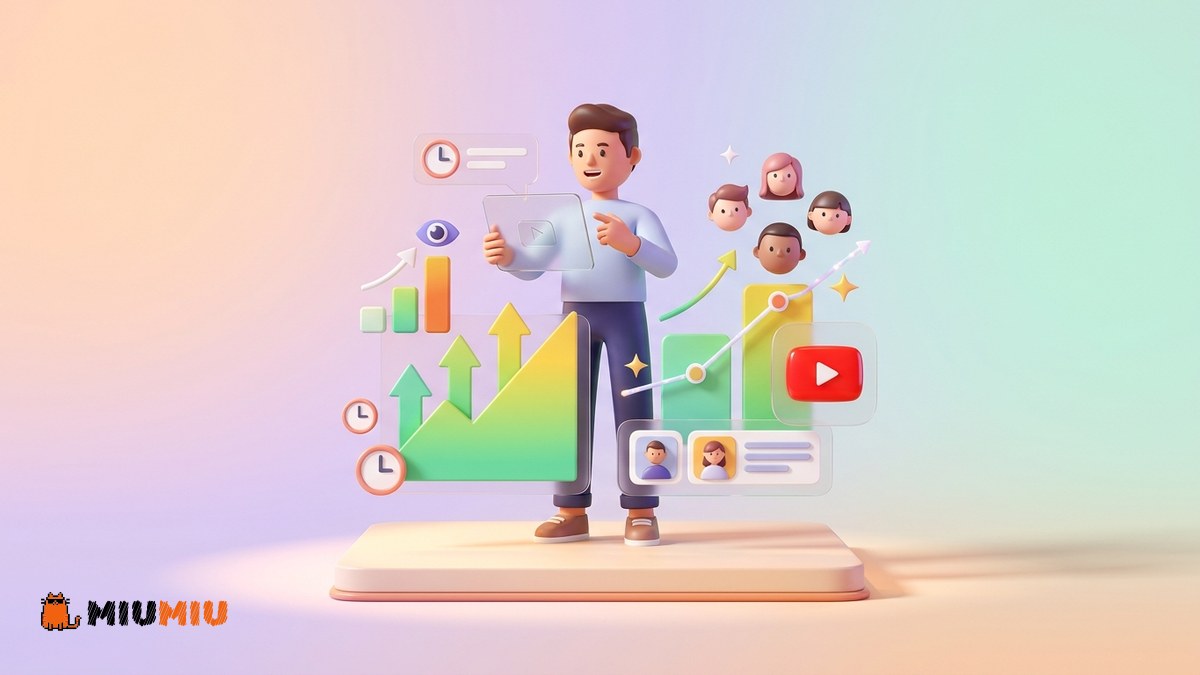
The YouTube algorithm is an advanced artificial intelligence recommendation engine designed to pull the most relevant and satisfying videos for each individual user, rather than pushing generic content to a mass audience. It operates with two primary objectives: helping viewers find videos they want to watch and maximizing long-term viewer satisfaction. The core engagement signals guiding this system are Click-Through Rate (CTR), Average View Duration (AVD), Audience Retention curves, and Return Viewer Rates. If you want to understand the foundational structure of the platform first, explore our comprehensive guide on What is YouTube.
The Paradigm Shift: From Raw Views to Audience Satisfaction
Years ago, raw view counts and subscriber metrics reigned supreme. However, YouTube realized these metrics were easily gamed through misleading titles or clickbait, resulting in poor viewer experiences. Today, the algorithm focuses heavily on "satisfaction-weighted discovery".
YouTube wants to measure whether a viewer's time was well-spent. It does this using randomized in-app surveys, Return Viewer rates, and Session Depth. For instance, a video with 10,000 organic views that viewers watch to completion performs significantly better in the recommendation engine than a 50,000-view video where the average retention is under 30 seconds. The core focus of the system has shifted from breadth of reach to depth of engagement.
The 4 Vital Engagement Signals Measured by the YouTube Algorithm
To rank and recommend content across the Home page, Suggested sidebar, and search results, YouTube monitors four critical behavioral signals:
- Click-Through Rate (CTR): The percentage of impressions that turn into views when users see your thumbnail and title.
- Average View Duration (AVD): The actual minutes and seconds a viewer spends on your video.
- Average Percentage Viewed (APV): The ratio of watch time to total video length, showcasing how well the narrative structure holds attention.
- Return Viewer Rate: The frequency with which past viewers return to watch more of your uploads, indicating channel loyalty.
The table below details typical benchmarks and the algorithmic weight of these essential signals:
| Engagement Signal | Average Range | Excellent Range | Algorithmic Impact |
|---|---|---|---|
| Click-Through Rate (CTR) | 4% to 7% | Over 10% | Acts as the initial gatekeeper for feed testing |
| Average Percentage Viewed (APV) | 35% to 45% | Over 60% | Drives long-term recommendations on Home & Suggested |
| Return Viewer Rate | Low | High & Steady | Signals high channel satisfaction and boosts future uploads |
| Shares & Comments | 1% of views | Over 3% of views | Triggers active satisfaction and improves SEO ranking |
Deconstructing the Audience Retention Curve
YouTube tracks the exact second-by-second drop-off of your audience, categorizing behavior into four distinct curve shapes:
- The 30-Second Drop: A sharp fall immediately at the start, indicating a weak hook or a mismatch between the thumbnail and the video content.
- The Flatline: A horizontal line where viewers remain engaged without skipping, which signals masterclass pacing.
- Spikes: Instances where viewers rewind or replay a specific section, telling the algorithm that this segment is highly valuable.
- Dips: Sections where viewers skip forward or abandon the video, highlighting boring or redundant segments.
To optimize your retention curve and satisfy the algorithm, apply this checklist:
- Skip lengthy animated intros and branding; deliver on your thumbnail's promise immediately.
- Use pattern interrupts (camera cuts, graphics, sound effects) every 5 to 10 seconds.
- Incorporate interactive elements, cards, and pinned comments to foster dialogue.
- Leverage video chapters to enhance user experience and direct viewers to key sections.
How YouTube’s Recommendation Engine Compares to Competitors
Every platform has its own algorithmic DNA. While YouTube values long-term viewer sessions and deep satisfaction, other networks prioritize different behaviors.
For example, in our guide on What is TikTok, we explored how TikTok's algorithm heavily favors rapid watch loops and trending audio cues. In contrast, as highlighted in What is Twitch, the live-streaming giant rewards broadcast consistency and real-time chat room velocity. YouTube is unique because of its powerful search intent and long-tail library value, meaning optimized videos can keep accumulating views for years.
The Realistic and Honest Role of Growth Services
For new channels, overcoming the "zero-view friction" is incredibly difficult because the algorithm needs initial user data to start its evaluation process. Growth services can provide an initial push, helping to bypass baseline monetization thresholds or build social proof.
At MIUMIU, we offer supportive options like YouTube Views (Random GEO), YouTube Watch Hours, and YouTube Subscribers. However, our dedication to transparency means we present the risks openly:
- No Refill and No Cancellation (Refill: NO | Cancel: NO): These services do not include refill guarantees or cancellation options once initiated. YouTube's security system periodically audits and filters artificial engagement.
- No Organic Virality Guarantees: Paid metrics improve the outward appearance and meet threshold requirements, but they cannot replace genuine user engagement. If your actual content fails to keep viewers interested, the algorithm will not push it further.
- Our Recommendation: Treat these metrics as a stepping stone. Pair them with compelling thumbnail designs and high-quality scripting to turn initial attention into long-term organic growth.
Conclusion
The YouTube algorithm is a mirror of human behavior rather than an obstacle to bypass. By mastering high-CTR thumbnail-and-title pairings and keeping viewers engaged with strong retention strategies, you can turn this recommendation system into your primary source of growth. Use MIUMIU's growth services strategically, and place your primary focus on delivering true viewer satisfaction.
Frequently asked questions
What is the most important YouTube algorithm factor for channel growth in 2026?
Currently, viewer satisfaction and session duration are the top priorities for the algorithm. A high click-through rate combined with strong average view duration signals to the system that your content is worth recommending.
Does buying subscribers or watch hours ruin a channel?
Purchasing these services does not inherently ban a channel and is excellent for bypassing initial thresholds, but it is not a miracle cure. If your content is not genuinely engaging after attracting an initial audience, the algorithm will stop recommending it.
Why are my new videos not recommended despite having high initial views?
This issue usually stems from a sharp drop-off in the first 30 seconds or a low click-through rate in new feeds. The YouTube algorithm detects that viewers were unsatisfied after clicking and halts wider distribution.
What is the difference between the YouTube Shorts algorithm and long-form videos?
The Shorts algorithm relies heavily on quick behavioral signals like the swipe-away versus watch ratio and loop frequency. In contrast, long-form videos depend on deep audience retention and building long-term viewer sessions.
Sources & references

Writer, Content Team
I write for the MIUMIU content team, mostly about the difference between real and fake followers and the risks of buying engagement. I'll be straight with you: I tell you the risks as they are, even when it doesn't help a sale. I'd rather you know what you're getting into.